

A Little Scatter About Film Reels
In an era where everything (especially since the birth of AI) moves and changes so quickly, people are easily exhausted and feel insecure. At those times, nostalgia is what brings us back to old values, good familiar things, creating a feeling of comfort and safety. And for a long time, film cameras were a very effective tool for "nostalgia", and beyond, experiencing many other aspects of life in the era of modernization.
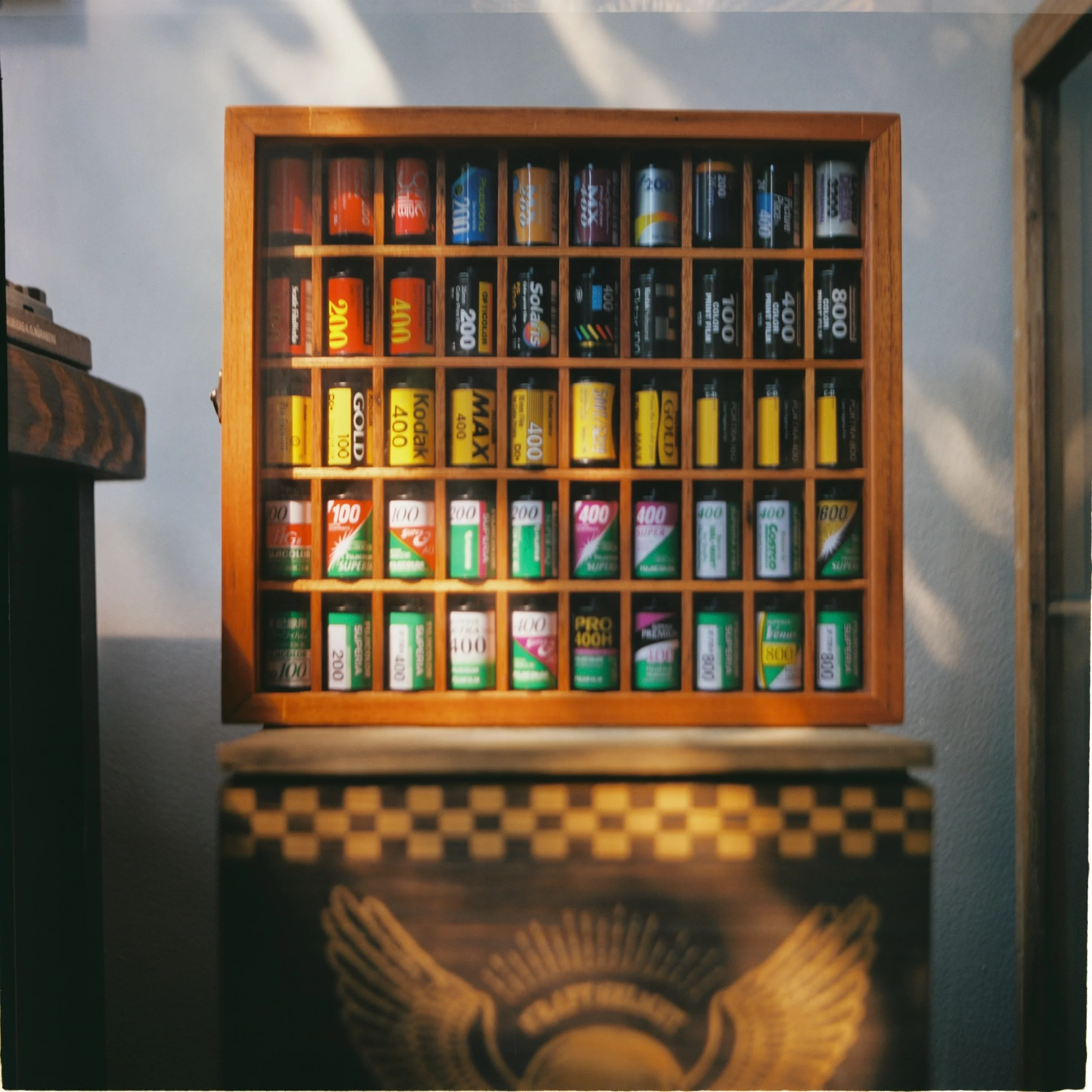
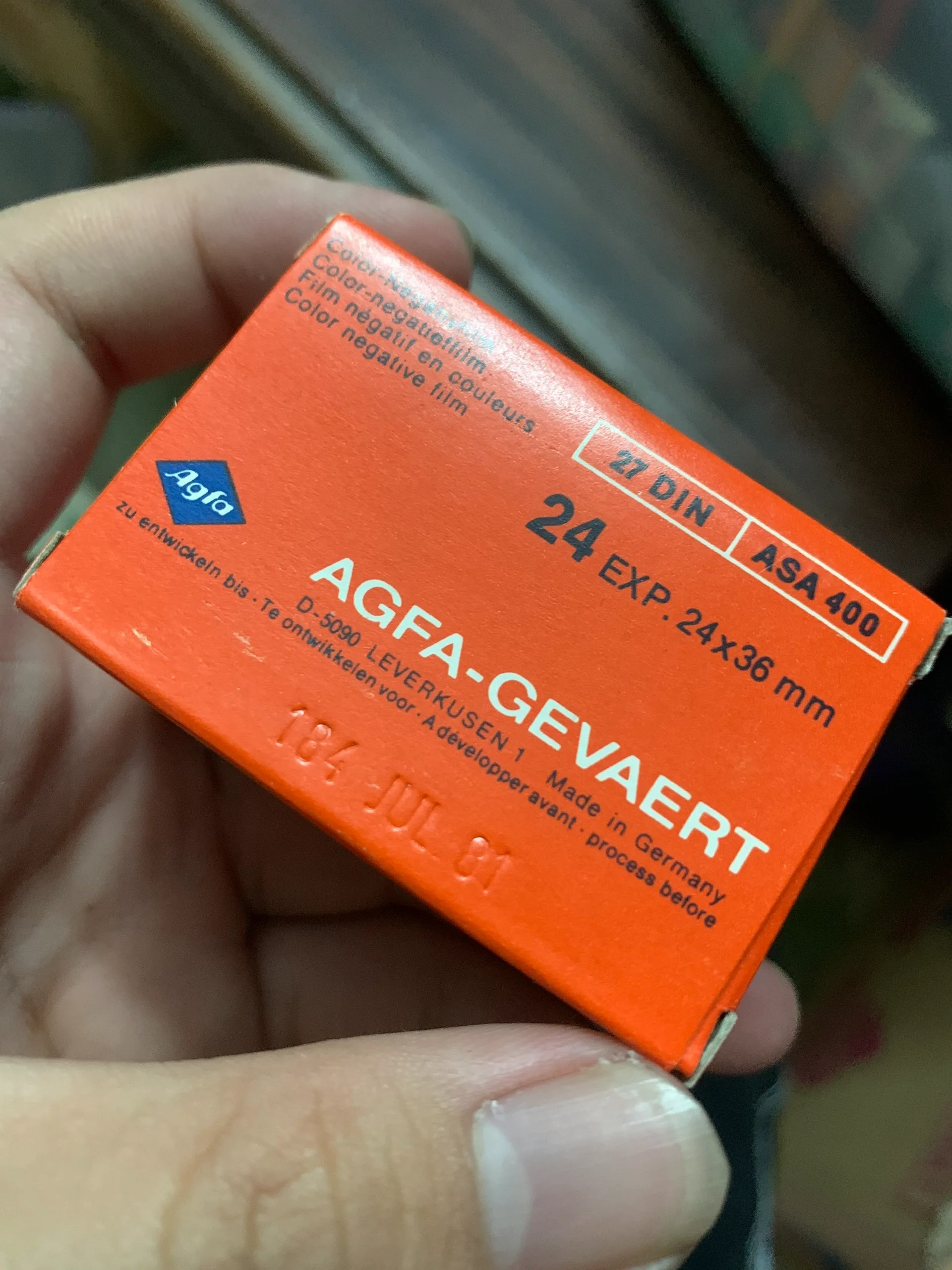
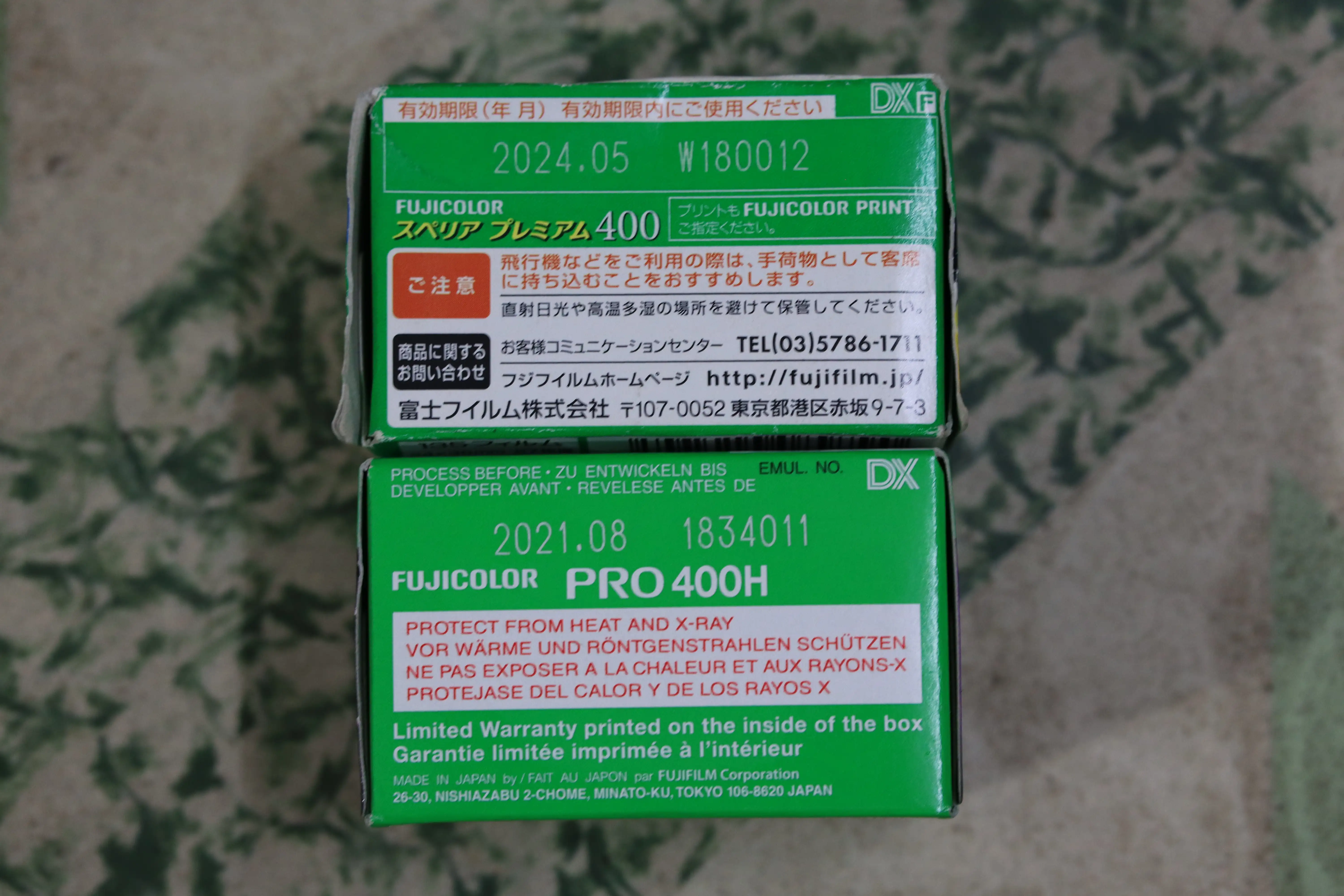
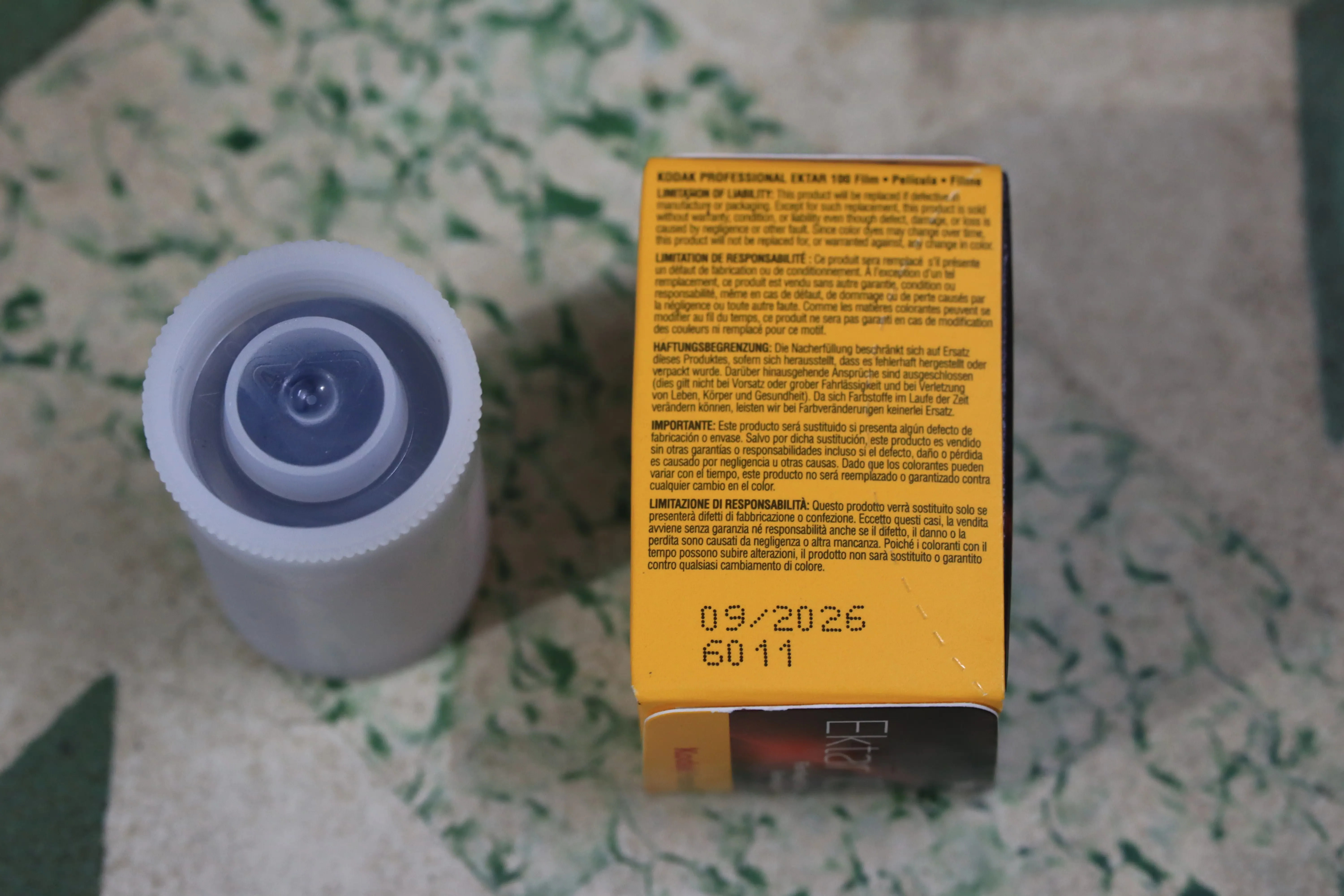
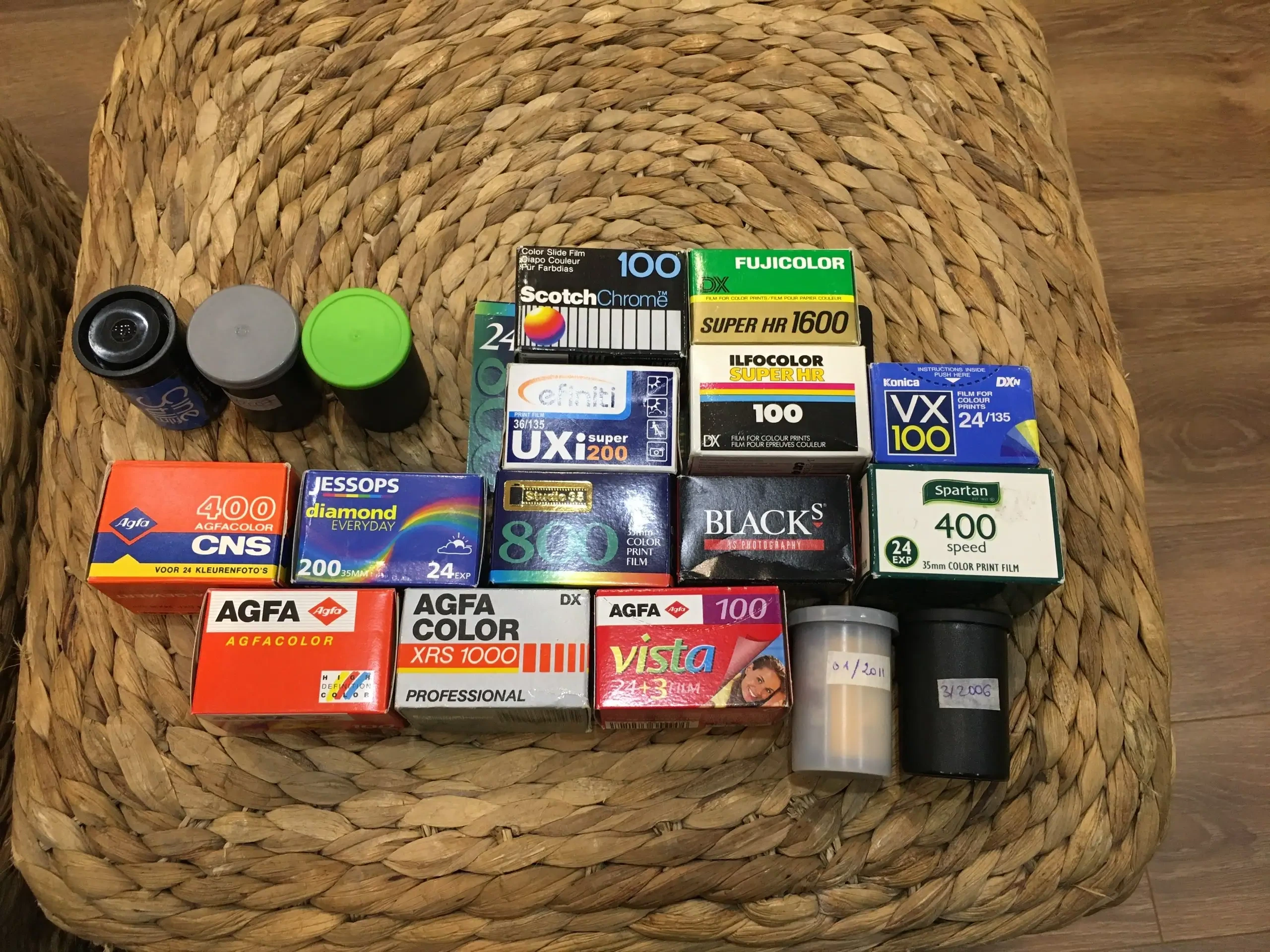
When talking about "film cameras", most of us will talk about cameras that shoot with (rolls of) film. With a digital device or phone, the sensor is where light is collected to later create an image. As for "film cameras", rolls of film with logos, colors, and packaging as shown below are the soul. Because without them, no matter how good a film camera we use, we will never have photos.
That's why film and film cameras are a pair of cards, a pair that cannot live without each other. I have you, and you must have me too! With each other, this (film) world is ours!
"Solving" some basic terms
1.Format (film size)
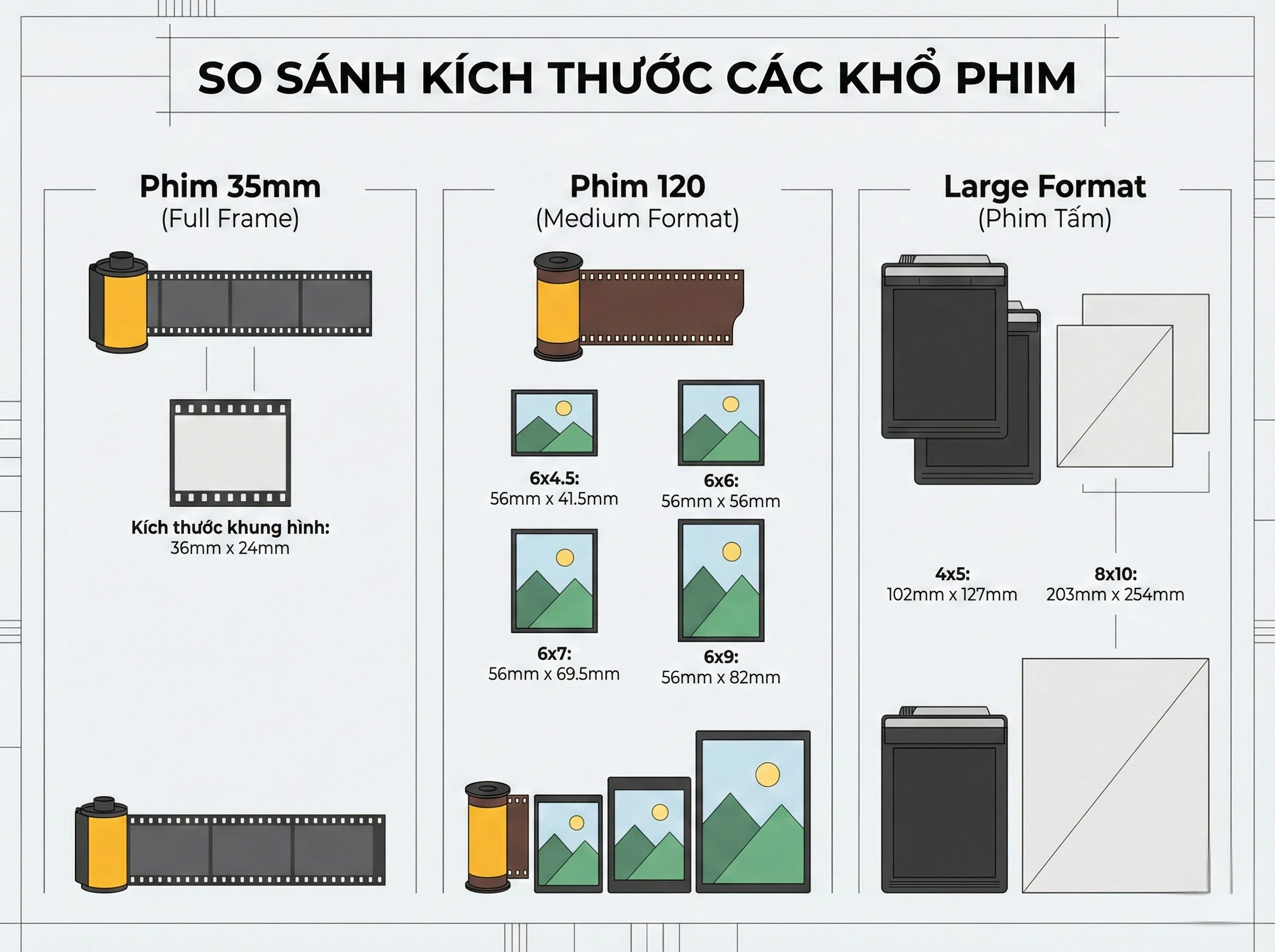
The most popular is 35mm (aka 135). This is a small, universal reel that fits most compact cameras or SLR cameras. There are also 120 (Medium Format) Bigger, for more professional machines, sharper but also... more expensive.
2.ISO (Light sensitivity)
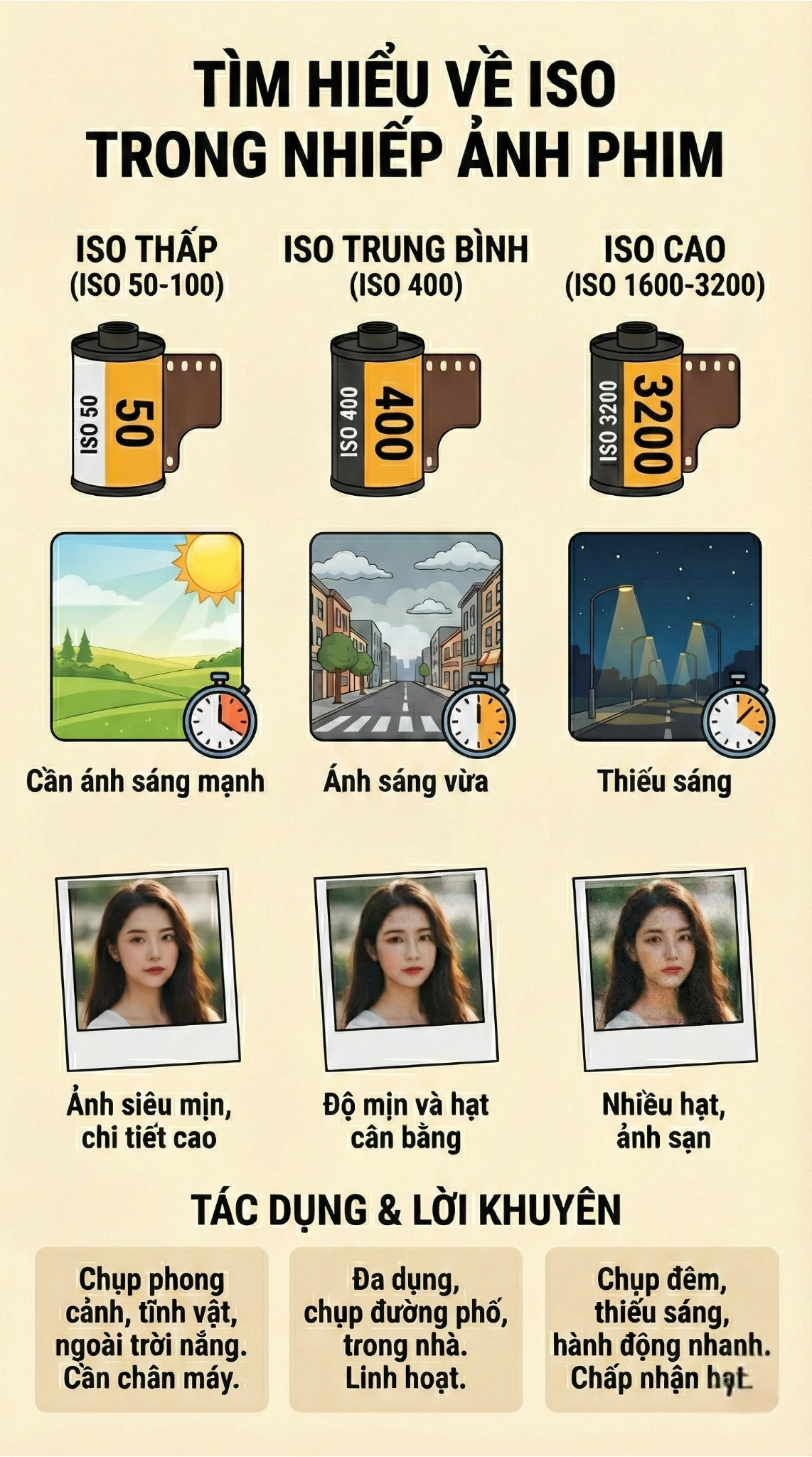
This is the number written on the box by the manufacturer (100, 200, 400, 800...). You can simply understand that the higher the number, the better the ability to shoot in the dark (or in low light conditions).
- Low ISO (100-200): Fine grain, clear image. Suitable for taking photos in beautiful sunny weather or going to the beach.
- High ISO (400-800): Larger grain (noise), but can be photographed in low light conditions, indoors, late at night.
3.Date (Expiry date)
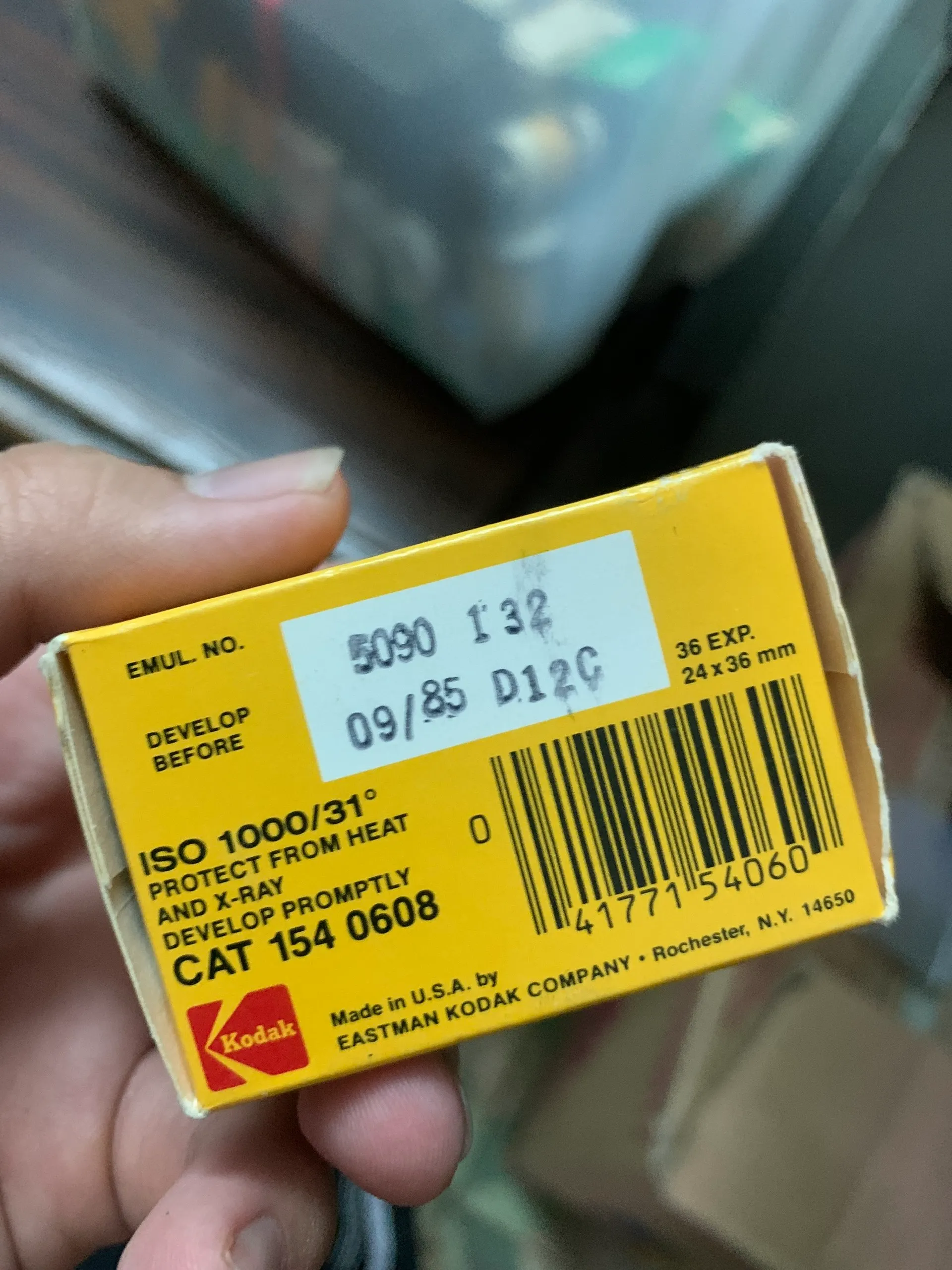
- Outdate (Expired): The color will change unpredictably (bluish, purple, pale...). For those who like luck and surprises. Usually there is a rule that every 10 years, we will set the ISO to decrease 1 stop compared to the ISO printed on the film box by the manufacturer. This doesn't necessarily help you get beautiful color photos, but it will minimize the risk. For example, if the original ISO 400 film is dated 2016 and the storage conditions are good, you can reduce the exposure to ISO 200.
- Indate (Unlimited): Standard color, exactly as committed by the manufacturer. Recommended for newbies.
The Most Popular Films Today
1. Color Negative Film - "National Choice"
This is the most popular type and easiest to buy. When you send it to the lab for developing, you look at the film and will see that the colors are only white and black in many different shades (negative), but when scanned to an image file, the colors will be vibrant as usual.
- Characteristic: Colors vary depending on brand. Kodak usually favors warm yellow tones, Fujifilm tends to favor cool green/blue tones, but it also depends on the lab's color selection when scanning.
- Notable faces:
- Cheap/Mid-range: Kodak ColorPlus 200, Kodak Gold 200, Fujifilm C200 ,Fujifilm 200/400, Kodak Ultramax 400 etc.
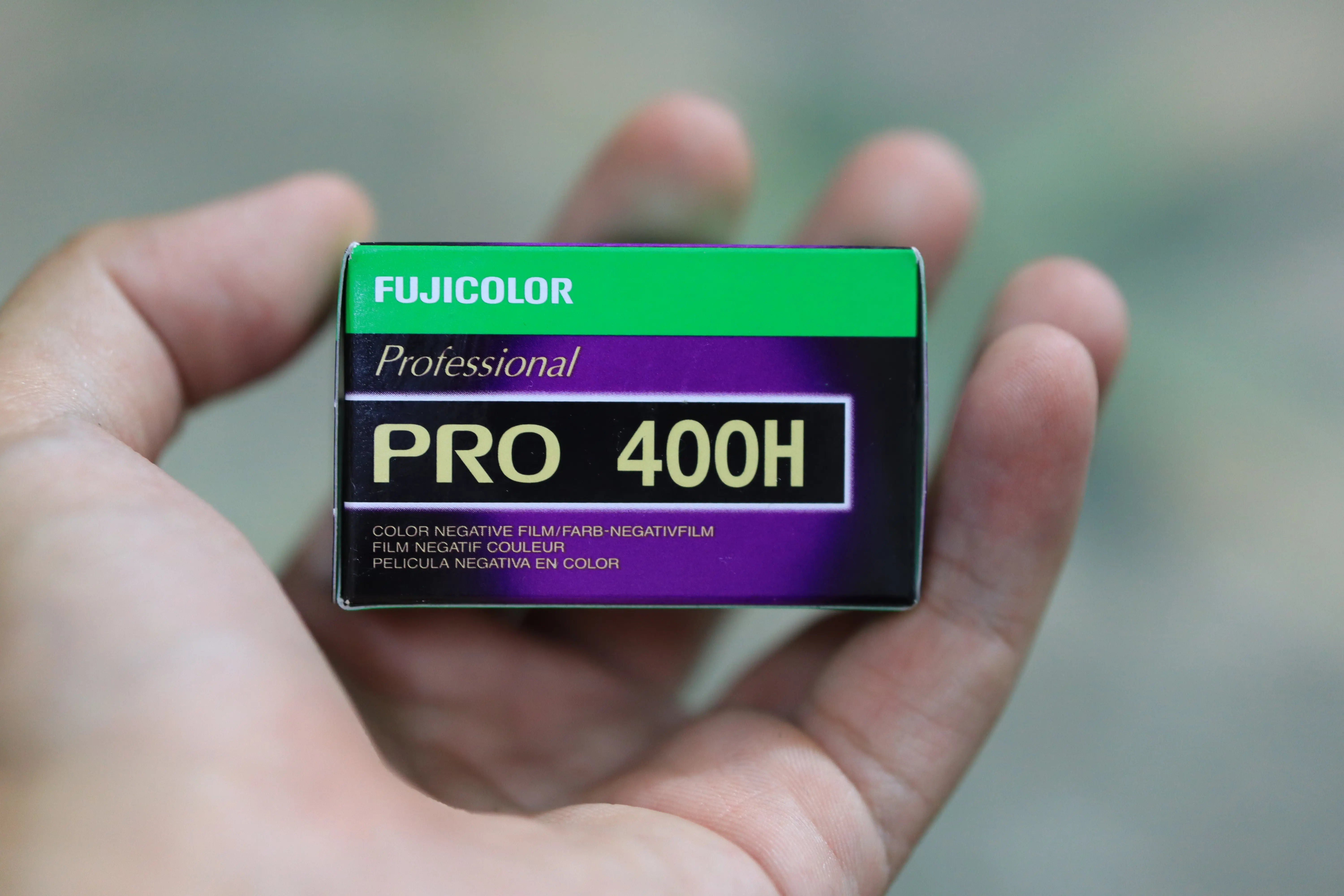
- High-class: Kodak Portra 400 (super beautiful portraits), Fujifilm Pro 400H (discontinued), Fuji Premium 400 (still in production but very expensive)
- Who should use it? Everyone, especially beginners: travel photography, lifestyle photography, portrait photography, landscape photography etc. As long as you want the scanned image to have color, and the development time is not too long.
- Advantage: Easy to find coating lab (C-41 process), prices and waiting times as well as diverse color pressing styles.
2. Cine Film - Delicious, Nutritious, Cheap but need to be careful
This is a type of film that was originally used to... shoot movies (like old Hollywood movies), and then was extracted by shops into small rolls for photography.
- Characteristic: Extremely wide dynamic range (captures bright and dark areas with good detail), very "cinematic" and magical colors. There are codes such as 50D (Daylight - daylight), 500T (Tungsten - yellow light).
- Notable faces: Kodak Vision 3 (50D, 250D, 500T).
- Who should use it? Students (because of the cheap price), people who like movie color, night photography (500T series).
- NOTE 1: This film has a layer of carbon black (Remjet) behind for protection. You MUST report to the Coating Lab as "Film Cine" or "Coated ECN-2". Absolutely do not bring it to a regular color film developer (C-41) without warning, this layer of carbon will ruin their developer!
- NOTE 2: Besides having to notify the coating lab in advance, MOST PNS MACHINES CANNOT SHOOT CINE FILM!!! You need to check carefully before deciding to install Cine film into your PnS (Compact) camera.
3. Black & White Film - The art of light and contrast
Completely remove color, leaving only white, black and gray.
- Characteristic: Good volume, high contrast, looks very "deep" and emotional. The grain of black and white film is often very beautiful and has its own quality.
- Notable faces: Ilford HP5 Plus 400, Kodak Tri-X 400.
- Who should use it? People who like to take portraits with depth, shoot architecture, or simply want their photos to look "timeless", or people who like to create strong contrasts, only focus on the content of the photo's light composition instead of the color.
- Disadvantages: Not every Lab accepts rapid black and white film development (it usually takes more time than color film).
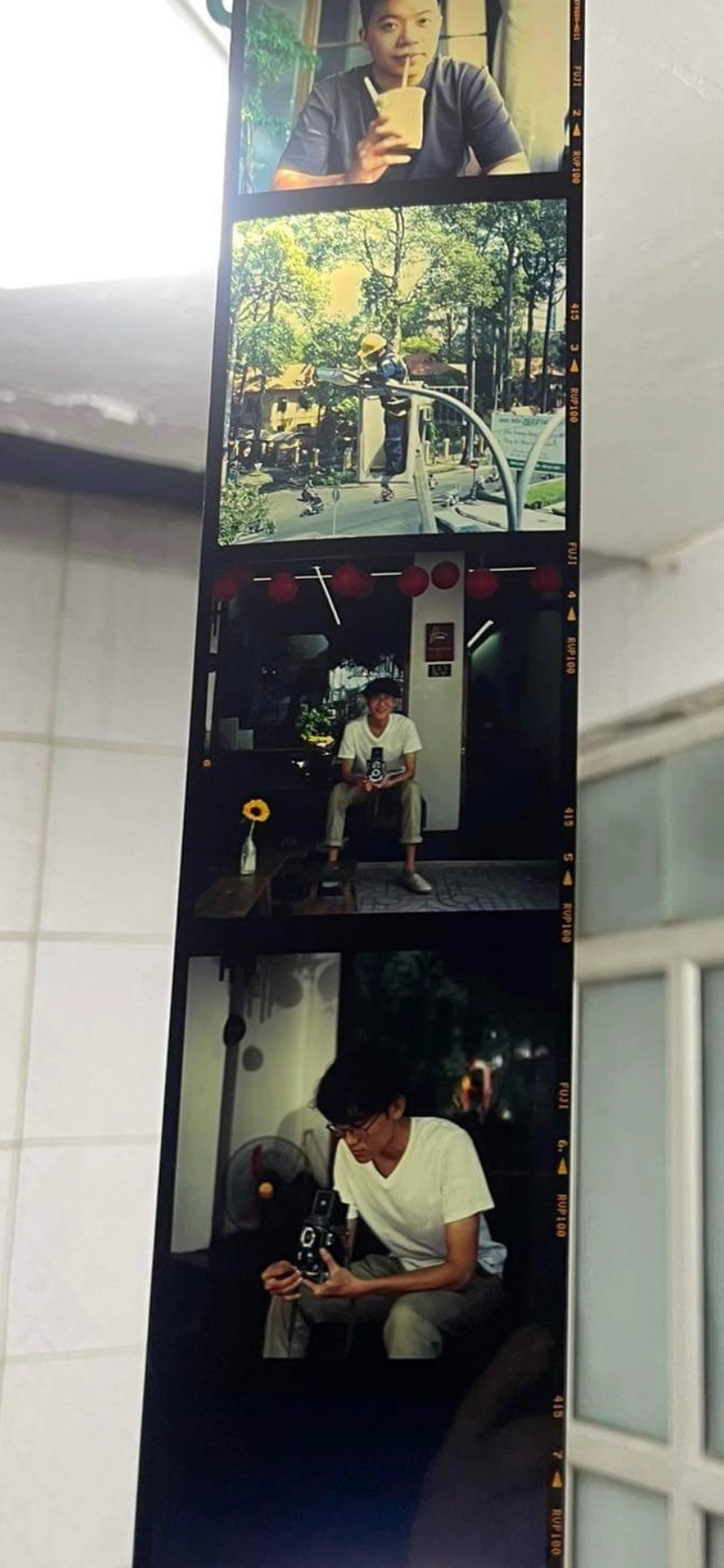
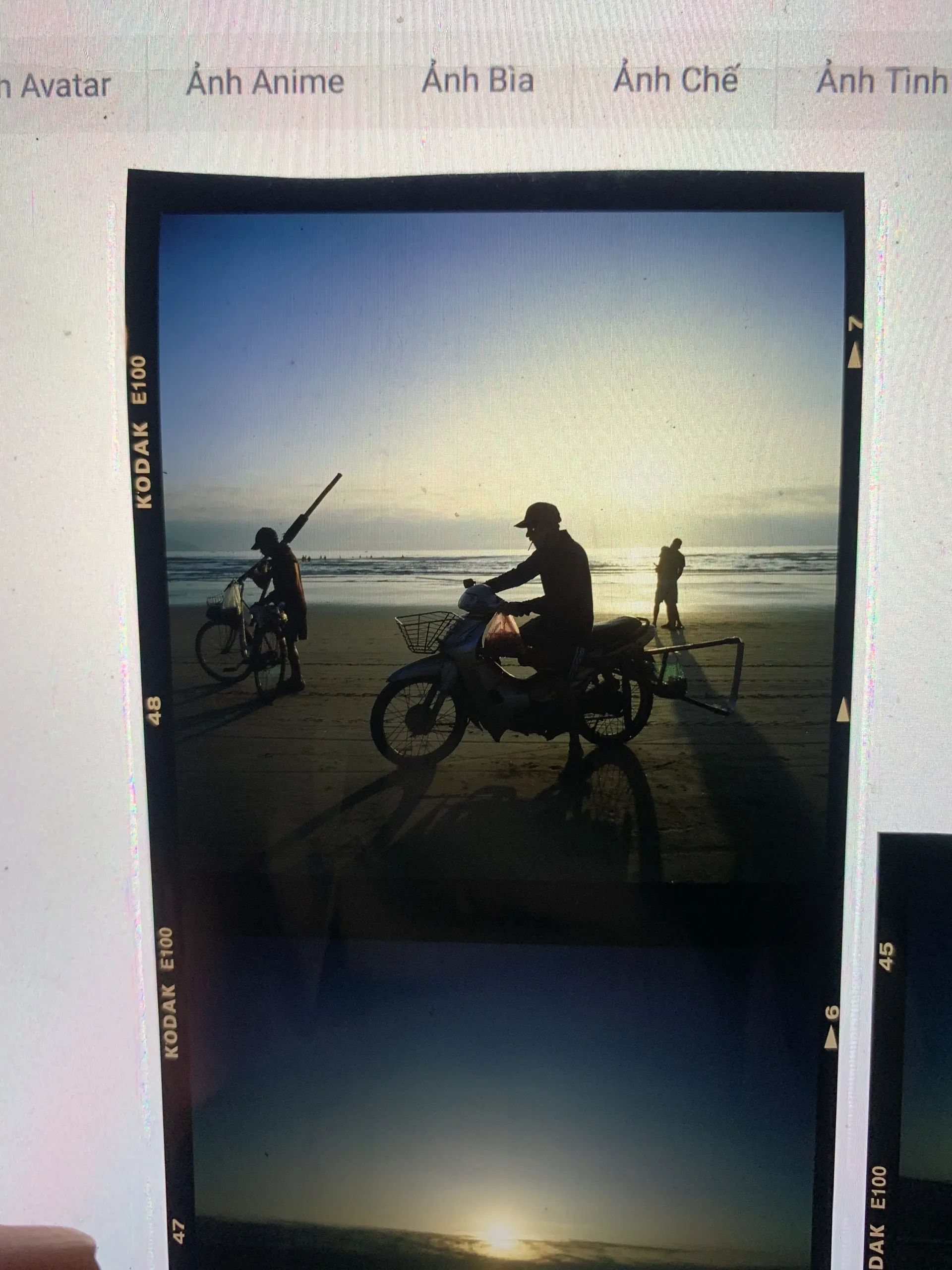
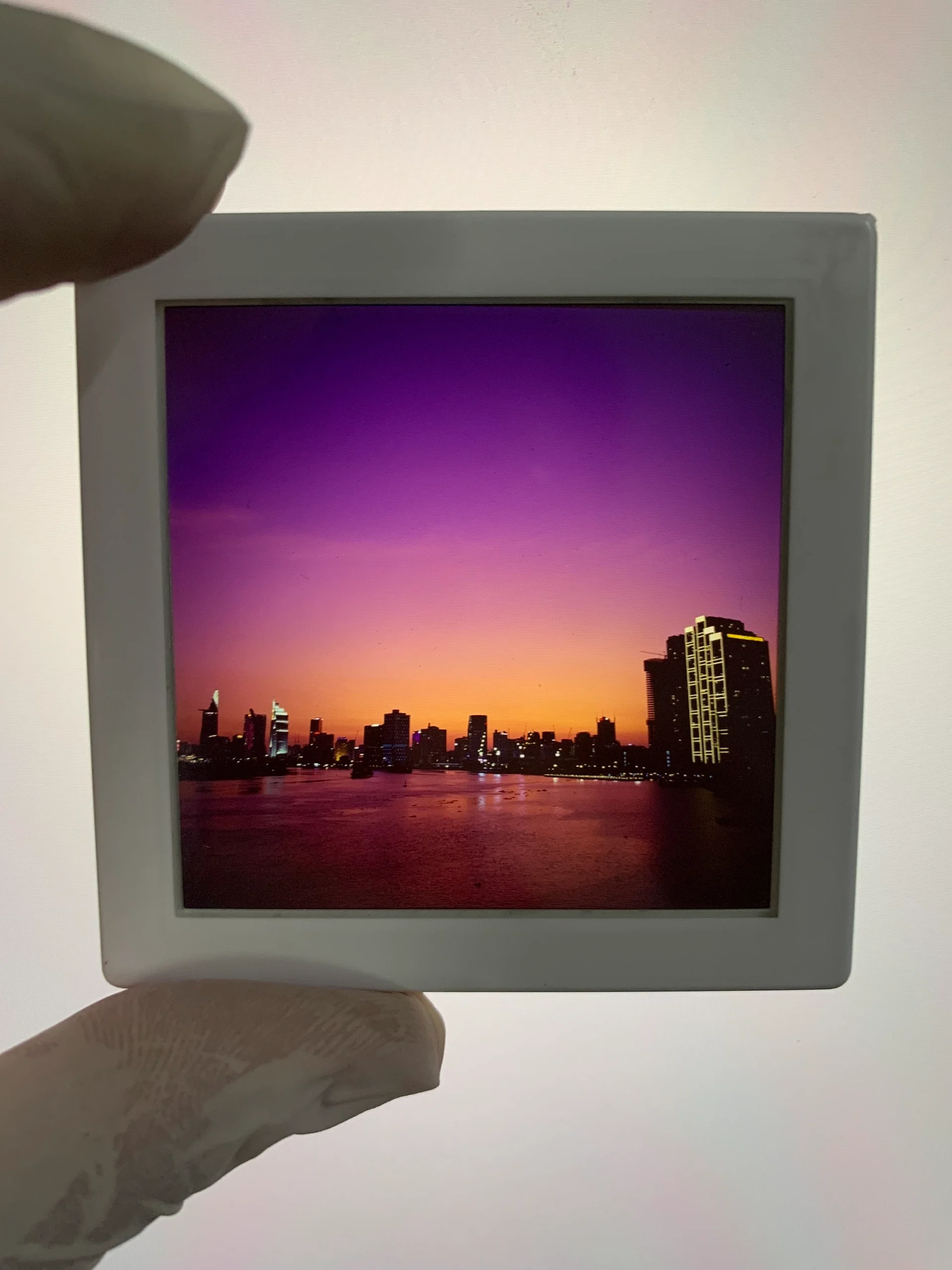
4. Duong Ban Film (Slide / Reversal Film) - Extreme, but happy!
When this type is finished developing, the film displays the correct color image and can be projected onto a projector for viewing.
- Characteristic: Extremely vibrant colors, super high definition, strong contrast. But it's extremely difficult to take photos because too much exposure will ruin the photo. Usually only a difference of about 1 stop is allowed compared to the standard metering. But if you shoot correctly, the experience of holding a brilliant film in your hand and looking at it under a light source is irreplaceable!
- Advice: The price is very expensive and the coating fee is also high (about 300,000 VND for 1 coating), and the waiting time is also long. Even scanning is very difficult, and often the scan results will not be as bright and flattering as a negative film image. New players should consider carefully before trying.
Where to develop film? (List of Labs in Saigon, Da Lat and Hanoi)
We can mention a few names such as CropLab, LLab, Thuongxanhfilmstore, 47PlusLab (Lab 47+), ChiuLab, Nadar, AEG, 36+ Lab, which Lab in Da Lat, I forgot the name?
After taking the photo (remember to rewind the film), you need to bring it to the Lab.
- Search: Google map or search on Facebook/Instagram for the keywords "Film development lab + [Your city name]".
- Procedure: You give the film roll -> Lab develops and Scans -> Lab sends the photo file via Email/Google Drive to you. You can take the negatives back as souvenirs or not.
- Note about price:
- Color film coating (C-41): Usually cheapest and fastest (can be picked up the same day).
- Cine film coating (ECN-2): A little more expensive and takes longer (due to having to remove the carbon layer).
- B&W film coating: Depending on location, usually takes longer than color film.
Conclusion: What to choose for your first roll of film?
If you asked me, I would advise you:
- Nostalgic, sunny team: Buy a roll now Kodak Gold 200.
- Team with limited budget but wants quality images: Try Kodak Vision 3 250D (Remember the ECN-2 coating!).
- Team likes silence: Try Ilford HP5.
Don't be afraid to take a bad photo! The beauty of film photography lies in its imperfections. Overexposed, out-of-focus photos sometimes bring emotions that 50-megapixel digital cameras can never do.
Now, pick up the camera, insert the film and go hunt for moments!
Bình luận
Đang tải bình luận...